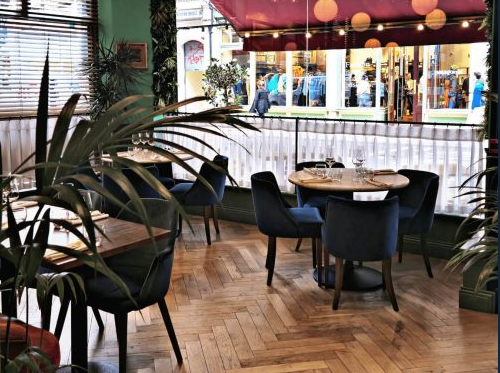
Dublin 2 is a good place to learn a city on foot. Its streets are close together, its squares give a walker room to pause, and its main shopping street sits within easy reach of quieter side streets. For a first-time visitor, that compact layout removes much of the guesswork. A useful starting point is to look forrestaurants near Grafton Street when planning a day, because a meal close to the main sights keeps the day simple. A second useful habit is to check the wider area as well, sincerestaurants Dublin 2 cover both busy streets and calmer corners. At Chequer Lane by Jamie Oliver, on Exchequer Street, the setting reflects that mix. It sits a short walk from Grafton Street, yet its room feels settled and separate from the shopping crowds.
Start with a Simple Route
A beginner does not need a complicated route. Choose one main street, one square or park, and one place to eat, and let the rest of the day grow around those points. Grafton Street works well as an anchor because it is easy to find, easy to walk, and full of shops, cafés and street life. From there, a short detour can lead to a quieter street where the pace changes at once. Exchequer Street is a good example. It is close enough to reach on foot, yet it feels more local and less hurried. Walking in a loop, rather than back and forth along the same street, also helps. A loop gives a visitor new views in each direction and makes it easier to return to a favourite spot later. Keep the first route short. A city learned slowly on the first day feels far more welcoming than a city rushed through in a single afternoon.
Squares, Parks and Pauses
A good walk needs pauses. Squares and small parks in Dublin 2 offer places to sit, watch the city and decide what to do next. A pause is not wasted time. It allows feet to rest, plans to settle and a group to agree on the next stop without pressure. Choose a pause that suits the group. A family may want space for children to move, while a couple may prefer a quiet bench. A solo walker may simply want a place to sit with a coffee and a guidebook. Whatever the choice, a short rest makes the next part of the day more enjoyable. It also makes lunch or dinner feel like a natural part of the walk, rather than a separate task squeezed between sights.
Where to Eat Without Overthinking It
Choosing a place to eat in a new area can feel harder than it needs to be. A simple approach helps. First, decide how much time is available. A lunch between sights calls for a straightforward, well-balanced meal, while a dinner at the end of the day allows a slower pace. Second, think about the kind of room that suits the group. Some visitors prefer a lively room with a buzz of conversation, while others prefer a calmer space where talk comes easily. Third, look for a menu that reflects the season and local produce, rather than a menu that tries to cover every possible taste. That kind of focus makes choosing easier. Guests who want a central meal can start with restaurants near Grafton Street as a location guide, then choose by menu, room and timing rather than by a long list of options.
The Room Matters as Much as the Menu
Food is only part of a good meal out. The room, the light and the level of noise all shape how a visit feels. Teal panelled walls give a room colour and depth without making it feel formal. Wooden floors add warmth and a natural texture. A chequerboard-tiled bar area adds a distinctive pattern and a focal point for guests who arrive early for a drink. Together, these details create a setting that suits both a relaxed lunch and a longer evening meal. A room that allows conversation without shouting helps a group enjoy its time together. Space between tables matters too, because a meal feels more comfortable when guests do not feel crowded by neighbouring tables. A short list of restaurants Dublin 2 can help a visitor compare rooms and menus before choosing, rather than deciding under pressure on the street.
Shopping, Sightseeing and a Sensible Finish
A day in Dublin 2 often combines shopping, sightseeing and eating, and the order matters. Shopping first can leave a visitor carrying bags through the rest of the day, so it helps to plan a break or a return to a base before dinner. Sightseeing in the middle of the day works well, because light is good and streets are lively. A meal at the end of the day then becomes a reward rather than a rush. If the group includes children, plan the meal before tiredness sets in, and choose a time that suits everyone rather than the latest possible booking. If the day involves meetings or work, a lunch that is well timed and not too long keeps the afternoon productive. A sensible finish, with time to walk back slowly, rounds off the day far better than a hurried final stop.
A Beginner's Checklist for Dublin 2
A short checklist keeps a first visit simple. Wear comfortable shoes, because Dublin 2 rewards walking. Carry a light layer, because weather can change during a day outdoors. Choose one main street and one side street, rather than trying to cover everything. Allow time for a pause in a square or park. Decide on lunch or dinner in advance, but leave room for a drink or a short stop that was not planned. Note the address of the chosen restaurant, and check its opening details before setting out, so the end of the walk does not turn into a search. Guests who follow that simple plan often enjoy the area more than visitors who try to fit too much into one day. A final useful habit is to return to a street that felt welcoming, rather than always seeking a new one. Familiarity, even after a single visit, makes a city feel more like a place to return to. That feeling is a good reason to treat restaurants Dublin 2 as a neighbourhood to explore slowly, and to keep restaurants near Grafton Street in mind as a practical starting point for a first walk.
Plan Your Visit
Chequer Lane by Jamie Oliver27 Exchequer Street, Dublin 2, D02 A527, Ireland+353 1 499 2424[email protected]Mon 17:00-21:00 | Tue-Wed 12:30-21:00 | Thu-Sat 12:30-22:00 | Sun 13:00-21:00